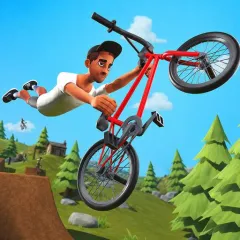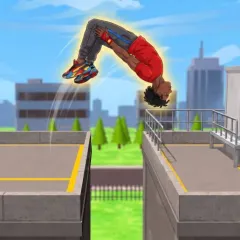
In Flip Physics, a simple looking flip can have fatal consequences with the wrong timing or overspin of your hand release. The game puts players in a physics-driven world of acrobatics, where propulsion, inertia and body position affect every move. Instead of just pushing buttons to make your character do a pre-programmed action you have to alter every spin, jump and grip yourself to make your own sequence of skills.
The essence of Flip Physics is to control the body in the air. The character can do front flips, rear flips and many spins but the outcome is not only decided on the direction of control. The trajectory of the movement is affected by the momentum gained, the degree of bodily contraction and the timing of the spin.
In a back flip you need to create momentum to be able to complete the spin, but at the same time you need to keep the right posture as you land. The swing timing can increase the pace of rotation whilst the body extension can change the speed of rotation. Adjust too late and the character may lose balance or wind up in an unpleasant position when the manoeuvre is finished.
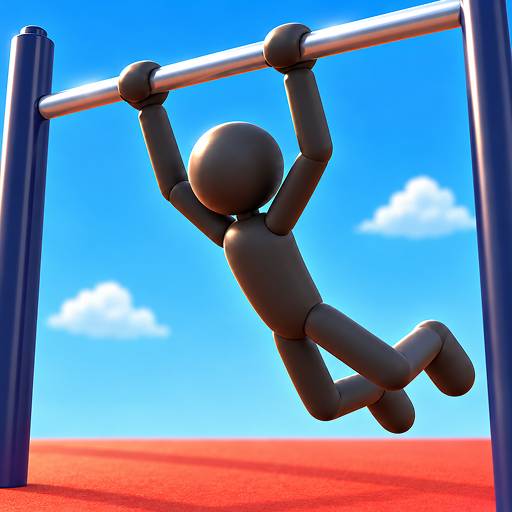
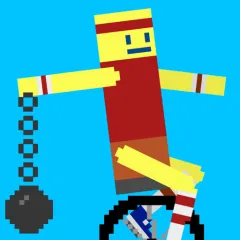
The problem is much increased by the horizontal bars. You have to get power in the swing, pick the correct moment to let go, and then use the momentum to do the movement in mid-air. The aim is then to return and pick up the bar before the movement takes the character too far.
Once you are familiar with each separate motion, you can combine bouncing off the bar, flipping many times, spinning, and continuing to grab the object. Complex sequences demand the ability to predict movement, not merely react to the environment. An early release can spoil the whole process, but it also helps you comprehend inertia better.
Flip Physics encourages experimentation, not simply a copy of a formula. If a flip goes wrong, break the movement down to find the problem: the timing of the jump, the angle of rotation or the control of the body. If your version has replay and slow motion functions, those can aid too in analysing those hard situations.
The first controls include changing your stance, crouching, letting go of the bar, spinning in mid-air, catching things and moving around to attempt again. Start with single flips and then practise bar swinging techniques separately before developing extended sequences.
Flip Physics is for individuals who like to play with physics mechanics and figure out how to make fragmented movements into smooth flips. You have to know when to push buttons. It’s not just about how fast you can push them, but knowing the inertia of the game.